Monday, December 22, 2008

Have just tried ... Highland Park 18, 25, 30 and 40 years old

Highland Park was established in 1798 and is one of the oldest and best known distilleries in Scotland. Taking its name from the High Park spring which supplies water to the distillery, It is currently owned by the Edrington Group. Highland Park is the most northern distillery currently operating in Scotland, being located near the town of Kirkwall on the Orkney Islands. There are only two distilleries on the Orkneys (Scapa being the other). Highland Park is regarded by whisky drinkers as a great all-rounder and that makes it one of the best selling whiskies worldwide. It is also a major constituent in Edrington's leading blend, the Famous Grouse which is one of the best selling blended whiskies in the UK. Recently, the guys from Highland Park visited the London branch of The Whisky Shop for a special tasting evening where the older expressions from their core range were available to try.

highland park 18 years old18 years old
The nose of this is fabulous and full of dried fruit (think of sultanas), honey, sweet heather and soft peaty earthiness. On the palate, the fruit and honey are predominant and it is incredibly smooth. The smokiness is there but it does not overpower the whisky as can be the case in some of the Islay malts. The smokiness is floral (imagine heather) and light. There is also a slight saltiness (think of brine or sea air), a distinct nuttiness and some warm spices (like ginger and cinnamon or nutmeg). The combination of all these elements gives a gloriously rich, well balanced and rounded whisky. The finish is long and warm with smokiness and spiciness. This is the whisky that started my interest in whiskies and having not tried this for a long time it didn't disappoint and reconfirmed my memories. A bottle should cost between £55-60. Not a bad start to the evening!

highland park 25 years old25 years old
The colour is a darker amber than the 18 years old and the nose has less of the floral smokiness. The smokiness is still there but in the background. There is honey, some oak and vanilla, dark dried fruits (think of raisins) and a citrus note (imagine lemon zest). On the palate, the heathery, earthy smoke mingles beautifully with the creamy honey, the sherry cask fruitiness and sweet oakiness. There is also a nutty quality present which reminded me of almonds. The finish is much drier than the palate with the citrus note coming through with lots of toffee or butterscotch (i couldn't decide!). This is a complex whisky that is extremely well balanced and enjoyable. One of the best that i have tried to date. It should cost anywhere between £120-140 per bottle.

highland park 30 years old30 years old
The colour is a rich amber and the nose has more woodiness than the previous two that we had tried. There is a whiff of that sweet heathery peatiness and this is joined by some aromatic spices (imagine cinnamon and nutmeg) and something slightly bitter (like a high cocoa dark chocolate, i think). The palate is sweeter than expected with a hit of toffee and butterscotch, followed by that bitter chocolate, the floral earthiness and some citrus (oranges). The finish is also quite sweet and subtle with the smokiness coming to the fore. This seems less complex than the 25 years old but is still an pretty decent whisky and very enjoyable. A bottle should cost between £180-200.

highland park 40 years old40 years old
Now for the star of the evening. Bottles of this 40 years old whisky are rare and sell for between £800-900, so the chance to try some is not to be turned down! The colour is not as dark as you would maybe expect for a whisky of this age, due to the use of refill casks (meaning that whisky has previously been matured in the cask, so therefore the wood will have less influence on the spirit). This is important as 40 years in a fresher, newer cask would impart too much wood influence and adversely effect the flavours. The nose is delicate and aromatic with some gorgeous honey, toffee, warm spices (imagine nutmeg) and some bitter dark chocolate. The hint of sweet peat smoke that marries with these elements, means that you can happily sit with your nose in the glass and inhale for a long time without getting bored. On the palate, this is liquid gold. the first thing to get the tastebuds is a creamy, thick sweetness that has elements of burnt sugar and toffee. Then comes a tart fruitiness (reminding me of stewed fruit), followed by a subtle, sweet and floral peatiness and a citric tang (think of orange zest). The smokiness really comes out in the finish, which is long, fruity and impressive. A truly fantastic whisky that simply has to be tasted (if you can afford it!).

Thursday, December 4, 2008

Have just tried ... Glenglassaugh 1984 Armagnac cask

Planet of the Grapes is a boutique wine shop located in New Oxford Street in central London. While they specialise in bringing small independent wine producers and vineyards products to a wider audience, they also do the same with selected spirits. At a recent wine tasting at the shop, an opportunity arose to try their single cask bottling of Glenglassaugh. The distillery is located on the edge of the Speyside region, close to the small town of Portsoy, approximately 50 miles to the northwest of Aberdeen. Glenglassaugh was originally opened in 1875 and had a reasonably turbulent history littered with closures and re-openings until its stills fell silent for the final time in 1986. Even during production periods, it was difficult to find any bottlings from the distillery as its primary function was to produce whisky to go into famous blended whiskies like the Famous Grouse and Cutty Sark. However, following over 20 years of mothballing (the procedure where a distillery remains intact and ready to go again, but not producing), Glenglassaugh was taken off the hands of the Edrington Group by a Dutch company called Scaent. They have completely refurbished the site and production restarted in November 2008. The distillery was re-opened by the MP Alex Salmond, the first minister of Scotland.

Planet of the Grapes have purchased just a single cask of this rare whisky and only have a few bottles left. It has been matured in an Armagnac cask, which is one of the more unusual casks for maturing whisky. The colour is a dark chocolate brown, indicating a lot of influence from the wood. The nose is rich and fruity with lots of dried fruit (think of raisins, sultanas and candied peel). On the palate, the whisky is very smooth, feeling creamy and extremely rich. That dried fruit is everywhere, especially orange candied peel and this is joined by some honey, a distinct nuttiness (walnuts, i think) and some spicy ginger. As this is bottled at cask strength (52.4% abv), i added a splash of water and this exaggerated the dried fruitiness especially. The finish was warming and long but maybe a bit bitter for my taste. It was interesting to try this but while it was a good experiment, my personal feeling was that the strength of flavour from the wood was too much and masked the whisky character. It was overpowered by the armagnac characteristics and the length of time in that cask made the finish very woody and bitter. The result is that it feels like you are drinking a stronger than usual Armagnac. If you would like a bottle, then you need to hurry down to Planet of the Grapes. A bottle will cost you £60.

Thursday, November 27, 2008

Have just tried ... Bowmore 12 years old

bowmore 12 years oldBowmore is located on the western island of Islay, which is the home of smoky whisky. The distillery is the oldest in operation on Islay and one of the oldest in Scotland, having started production in 1779. It is situated in the village of Bowmore (which translates as 'sea rock' from Gaelic), on the picturesque shores of Loch Indaal. Bowmore is one of the most famous whiskies in the world and the number of different releases is extensive. the core range consists of this 12 years old, a 15 years old 'darkest' and an 18 years old. These are joined by more limited releases from time to time, including some very old and rare whiskies such as the White Bowmore (43 years old!) which has just been made available for around £2500 . independent bottlings are also fairly common. The current owners, Morrison Bowmore (who in turn are owned by Japanese distiller Suntory), have also established another range of whiskies that are available exclusively for travel retail/ duty free. The strategy has led to Bowmore becoming one of the top brands worldwide, within that sector of the market.

This 12 years old is the cornerstone of the range and is one of the best selling whiskies in the UK and the world. The colour is a golden amber and the nose is different to a number of the other heavier islay malts. There is smokiness and peat but it is light and fresh with some butterscotch, some saltiness (imagine brine) and a floral note evident (think of lavender maybe?). The whisky is smooth and kind to your palate with lots of vanilla present, some oakiness, that salty note and a lovely sweetness coming from the malted barley. The smokiness come through afterwards and has an earthy quality, but reminded me most of dying embers/ ash in a fireplace. The finish is dry, salty and reasonably long but not as long as heavier Islay malts. The balance between the lower level of smokiness and the influence of the casks is very good and while this is not the most complex whisky, it is an excellent all rounder that would be a good choice to introduce someone to smoky whiskies. Its quality is reflected in the fact that this 12 years old consistently wins awards around the globe, most recently picking up The Whisky Shop's 'Single Malt of the Year 2008'. A bottle should cost £25-30 and is readily available.

Tuesday, November 18, 2008

Have just tried ... Hakushu 12 years old

hakushu 12 years oldHakushu is a Japanese whisky and the distillery was opened in 1973. It is located in a nature reserve on the slopes of Mount Kaikomagatake, which lies to the northwest of Tokyo. The location is reflected in the name as Hakushu means 'forest distillery' in Japanese. A second distillery was built next to the original in 1981, making Hakushu one of the largest malt whisky distilleries in the world with an incredible 24 pot stills. The new distillery was named Hakushu East and the older was renamed Hakushu West. Both were run side by side for a number of years before the owners, Suntory, decided to close Hakushu West. All whisky is now produced at Hakushu East, which has a capacity of 3 million litres per year. The whisky is matured mostly in bourbon casks but some spends time in sherry and Japanese oak casks. Hakushu also filter their whisky after maturation through bamboo charcoal, creating a unique character within the spirit. They are the only Japanese distillery to practice this technique.

The colour is light and lemony with an interesting nose. It is light and fresh with some crisp green fruit (think of pears and apples), some gorgeous vanilla, something floral (reminding me of honey suckle) and just a whiff of smokiness (imagine wood ash). This feels thicker on the palate than the nose suggests and is quite creamy with all elements from the nose combining well. There is also something herbal and grassy, as well as a warm spicy note (ginger, I think). The finish is quite dry, crisp and light with the warm spice, that hint of smoke and a nutty (think of almonds) quality coming through. A bottle of this should cost between £45-50 and it is well worth it. This whisky has lots to offer with a decent nose being followed up with a sumptuous crisp palate that combines all the elements very well. This is high quality malt and a great example of Japanese whisky.

Sunday, November 9, 2008

Have just tried ... Benromach Organic

benromach organic labelBenromach is the smallest working distillery in Speyside and is located to the north of the town of Forres. Infact, with it's current production level of only 200,000 litres, Benromach is one of the smallest in Scotland with only two people employed to produce their spirit. The distillery was founded in 1898 with the current owners being the independent bottling company Gordon & MacPhail. They took over Benromach in 1993 and the distillery was reopened by Prince Charles, following 10 years of mothballing by the previous owners (mothballing is the term used for the process where production is stopped at a distillery, but all the equipment remains intact and ready to go again). Gordon & Macphail launched an innovative programme of whisky production including different wine cask finishing, heavily peating some of their malt (a very usual practice for a Speyside distillery) and producing the world's first truly organic whisky. The organic whisky is certified as such by The Soil Association and involves using organically grown Scottish barley and yeast, pure local spring water and untreated and unused American oak casks. They are not allowed to use casks that have previously carried another spirit (such as bourbon or sherry as all other distilleries use) to be classed as organic.

The result of their innovation was the release of this organic whisky for the first time in 2006 and it remains the only one on the market at this current time. Other distilleries have now produced organic whisky to meet the consumer demand but these are still too young to be released. This whisky is roughly seven years old and the colour is golden brown with a nose is more reminiscent of an American bourbon than a Scottish malt. The nose is loaded with oak, vanilla and coconut and these form the basis of the palate also. more subtle notes start to come through on the palate, including some butterscotch, some dried fruit (think of sultanas and candied peel) and sweet malted barley. The finish is long, smooth and rich with the vanilla, coconut and dried fruit slowly fading. This is a very good whisky and it has laid down a tough marker for the other organic whiskies that will soon be on the market. It is quite bourbon-like, but this is no bad thing and is due to the use of the fresh wood used in the maturation. Well worth a try, especially at the bargain price (well, for an organic product anyway!) of £30-35 per bottle.

Friday, November 7, 2008

In the whisky cupboard ... Mackmyra Preludium 04

mackmyra preludium 04Mackmyra is a distillery based around 170km north of Stockholm, near to the town of Gävle in Sweden. The Swedes love their whisky and Mackmyra was the brainchild of a group of friends, who decided to set up a new whisky distillery. It started on a small scale in 1999 and was upgraded in 2002 and full production started. Their first official release was released in Sweden in June 2008 and sold out in hours. Prior to this they have released a series of limited edition preludes (around 4000 bottles of each), starting with the Preludium 01 in 2006. Within this series, they have experimented by using different casks and methods in order to produce highly innovative and interesting whiskies using local ingredients. The distillery's reputation is growing fast and everything sells out quickly.

This is the fourth in the Preludium series and is a young whisky of around four years of age. It has been matured in a combination of bourbon cask, then a fresh Swedish oak cask and then a champagne wine cask. The colour is light and quite grassy (like hay). The nose has a gorgeous freshness to it, with a mixture of sweet vanilla and crisp fresh fruit (think of green apples and white grapes). On the palate, there is a definate white wine element that is fresh, crisp and quite dry (similar to the champagne that had formerly in one of the casks). This mixes with that vanilla and fresh green fruit and is fairly light, refreshing and zingy in the mouth. The finish is quite long and very enjoyable. This is very well balanced, enjoyable and quite complex for such a young whisky. The alcohol level is quite high (around 50% ABV) but you don't notice this at any time, unlike in other young whiskies. The experimentation with different casks is innovative and has produced whiskies that taste and feel different to traditional malts. This Preludium shows great promise and it will be very interesting to see how Mackmyra whiskies progress over time.

Tuesday, November 4, 2008

Have just tried ... Glenlivet Nadurra

glenlivet nadurraGlenlivet is one of the most famous names in the world of whisky and is one of the largest distilleries in Scotland. Located in the Speyside region, close to the town of Ballindalloch in the Livet Glen, it has an annual production capacity of nearly 6 million litres. The distillery is currently owned by drinks giant Pernod Ricard and their influence, since taking over in 2001, has seen Glenlivet become one of the best selling single malts in the world. Glenlivet was opened in 1824 in what were previously farm buildings and continues to take it's water from the nearby River Livet today. The visitor's centre next to the distillery is one of the most visited in Scotland and continues to win awards. The range of whisky released as single malt is extensive, including 12, 15, 18 and 25 years old plus older releases and different cask finishes.

The 'Nadurra' has been released in a number of guises and this one is 16 years old, cask strength (48% ABV) and un-chillfiltered. The nose has a mixture of fresh fruit (think of crisp green pears and apples), something floral and aromatic (reminding me of honeysuckle), vanilla, some toasted nuts (hazelnuts, i think) and some spices (think of nutmeg and cinammon). On the palate, the Nadurra is quite dry, oaky and fresh. It is also delicate and light, but complex. Elements from the nose are present, especially the fresh pears and apples, the nuttiness and the vanilla oakiness. These are joined by something that reminded me of stoned or tropical fruits (think of apricot, peach, pineapple and banana). Upon adding water, the palate instantly becomes more floral (that honeysuckle again). The finish is short and refreshing. This is a very good whisky that would be a good choice to introduce someone to cask strength whisky. This version is available in travel duty free outlets worldwide, with another stronger version available in the UK in some leading supermarkets and independent retailers.

Friday, October 31, 2008

New releases ... Diageo cask strength special releases 2008

Diageo, the multi national drinks company, have just released their latest cask strength range and Whisky For Everyone were lucky enough to get an invite to the official launch and tasting that was held at Diageo's headquarters in London. The idea behind these annual releases is to showcase special stock that they are holding from their existing and closed distilleries. All are limited in numbers and some are highly collectable and desirable. They will only be able to be purchased from specialist retailers.
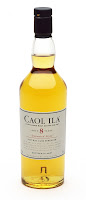
caol ila 8 years oldCaol Ila unpeated 8 years old
This whisky is only produced for a very short time each year at Caol Ila distillery on the island of Islay. Normally, Caol Ila produce some of the smokiest whiskies in the world but this one is unpeated, young and fresh. This is bottled at a very high strength (64.2% ABV), is limited to only 5500 bottles and should cost between £40-45. The nose is full of crisp fruit (imagine green apples and pears), some citrus (like lemon zest), vanilla and malted barley. A gorgeous floral note (think of heather) emerges when water is added. The palate is intense yet light and creamy in the mouth with sweet vanilla and malted barley prominent. There is also some fruity citrusness going on (that zest again) and maybe a hint of saltiness. The finish is shortish and dry but full of flavour with that floral note coming through. This is an excellent whisky that is light, crisp and refreshing yet very complex. One of my three favourites of the night.
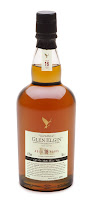
glen elgin 16 years old Glen Elgin 16 years old
Glen Elgin is one of Diageo's lesser known distilleries and the release from this Speyside distillery is the largest in the collection, with just under 10,000 bottles. It is bottled at 58.5% ABV and should cost between £50-60. The whisky has been matured in sherry casks and this shows in the colour and nose. The colour is dark amber and the nose is full of dried fruit (think of raisins and sultanas) and candied peel (imagine orange zest) with some butterscotch and vanilla. These translate on to the palate with loads of dried fruit and sweet vanilla. There is also a slightly acidic citrus note (orange zest again). These are joined by some sweet cereal grains and a hint of spice (think of nutmeg). The finish is medium and quite nutty (imagine almonds) with a bitter element coming through at the very end with some warm spices (nutmeg again). This is fairly pleasant but has too much sherry cask influence for my taste, making it slightly too bitter and woody. It is like drinking a strong version of a sherry.

linkwood red wine finishThe Linkwood 26 year old range
There are three very limited releases from this Speyside distillery. Each has had 12 years of maturation in a bourbon cask and then 14 years in either port, rum or red wine casks. Each expression has a release of only 1250 bottles and should cost around £130-150 each. The bottles are 50cl and were specially commissioned by an award winning designer. The port finish is bottled at 56.9% ABV and is almost crimson in colour. It has a rich and fruity nose that has red fruit as the predominant characteristic (think of blackcurrants, red grapes and blackberries). The palate is pretty sweet with that red fruit taking over, although some vanilla and an interesting citrus note (imagine orange zest) battle their way through. The finish in contrast is quite dry, bitter and tart. The rum finish is golden in colour and bottled at 54.5% ABV. There is a pleasant mix of notes on the nose, with citrus (think of orange zest), caramel, cereal grains and honey present. This is very sweet on the palate, almost sickly sweet. There are lots of sweet vanilla, those cereal grains again and some sugary cane sweetness. These notes follow through to the finish, which is fairly long but gets quite dry and bitter towards the end. The red wine expression is finished in a Burgundy wine cask and has a dark golden red colour. The nose hits you with loads of red fruit (imagine redcurrants, blackcurrants, blackberries and red grapes). There is lots of red wine character on the palate with the red fruit prominent. Some vanilla and butterscotch fight their way through but the over riding flavour is that of red wine. This dries your mouth and the finish is fairly long but very mouth drying and tannic. For me, these three expressions were disappointing. Linkwood is known as producing a light, aromatic spirit but here the distillery character has been completely overtaken and masked by the three finishes.
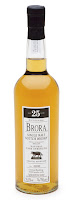
brora 25 years oldBrora 25 years old
Whisky from this closed highland distillery is becoming harder and harder to find. This bottling was distilled in 1983, the last year of production at Brora. Only 3000 bottles have been released and the strength is 56.3% ABV. A bottle should cost between £170-200. The nose is quite light with some smokiness (imagine wood ash), some citrus (think of lemon zest), dried fruits (like sultanas or raisins) and some nuttiness (imagine almonds). Upon adding water, the nose becomes more floral (think of heather) and salty (imagine seaweed or a sea breeze). On the palate, this is again light with a complex mixture of sweet vanilla, that citrus note from the nose, some malted barley and a salty tang. There is some smokiness but it is more subtle and earthier than the nose. The finish is reasonably long but quite dry with a bitter twist at the end. More smokiness and saltiness comes through than on the palate. This is good but left me slightly disappointed as it didn't quite seem to live up to the hype that Brora whiskies have.
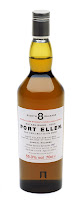
port ellen 29 years oldPort Ellen 29 years old
Another bottling from a closed distillery, this time from Port Ellen on the island of Islay. The distillery stopped production in the early 1980s, although the maltings there still provided malted barley for some of the island's other distilleries. Stocks of Port Ellen are rare, especially at this age, and this is bottled at 55.3% ABV and limited to 6500 bottles. The cost should be between £180-200 per bottle. The colour is deep amber and the nose is elegant and rich. There is a sumptuous mix of sweet dried fruits (sultanas, i think), warm spices (think of nutmeg or cinammon), some saltiness (like sea air) and smoke (imagine coal fire smoke). On the palate, this is quite light and more subtle than many Islay malts. All the elements from the nose are present with the addition of a more peppery spiciness. The marriage of the coal smoke and salty brine-like flavours is really good. The finish is long and warm with that smoke and saltiness prominent, with licquorice and cinammon notes interestingly coming through at the end, especially when water is added. This is pretty good stuff and needs to be snapped up before it all runs out!
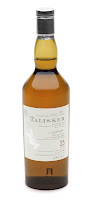
talisker 25 years oldTalisker 25 and 30 years old
There are two releases from Talisker, the only distillery on the western island of Skye. Whilst the Talisker 10 years old is one of the best selling single malts in the world, whiskies of this age from the distillery are much rarer. The 25 years old was distilled in 1983 and has a release of 6700 bottles. It is bottled at 54.2% ABV and should cost between £130-150. The nose is surprisingly soft with some pepperiness (imagine black peppercorns), some saltiness (think of seaweed), caramel and a meaty smokiness (sounds weird but it instantly reminded me of smoky bacon crisps!). On the palate, this is pleasantly oily and quite thick. It is rich with some peppery smoke, some fruitiness (imagine dried fruit like sultanas), a hint of salt (think of brine) and an interesting iodine bitterness. The finish is long, warming and spicy (something like ginger?) with a more earthy smokiness. The 30 years old is gentler and more subtle than the 25. It is distilled in 1978 and is bottled at 49.5% ABV. There are only 3000 bottles released and one should cost between £200-230. The nose is very fresh for a whisky of this age and is a complex mix of dried fruit (think of Christmas pudding), saltiness (imagine seaweed) and subtle spicy smokiness (think of black pepper and nutmeg). This is thinner on the palate than the 25 with delicate sweetness marrying well with light smoke (imagine wood ash/embers), that salty element (think of brine) and the dried fruits (although these are less prominent than on the nose). The finish is long and quite herbal (menthol, maybe?) with some honey sweetness and just a whiff of smoke. Both of these whiskies are of excellent quality. If i had to choose one, it would be the 30 years old as it has so many subtle flavours and was different to any Talisker that i have tried before. One of my top three for the night.
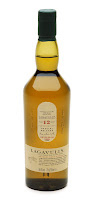
lagavulin 12 years oldLagavulin 12 years old
This release from the iconic Lagavulin distillery on the island of Islay is one of the cheapest of the collection. At between £50-60, this is a real bargain. The colour is a gorgeous deep amber and the nose is full on. This has an intense nose full of peaty, earthy smokiness (reminded me of wood embers/ash) and this is joined by a lovely mix of caramel/toffee, some saltiness and a citrus element (imagine lemon zest). On the palate, this is full bodied with that smokiness marrying perfectly with some sweet barley, saltiness (think of brine), caramel and something nutty. With water, the whisky opens up to become even more smoky and salty with a pepperiness coming through. The finish is long and intense with that earthy, peaty smoke fading slowly. This is an excellent whisky and was probably my favourite of the evening.

Thursday, October 23, 2008

Have just tried ... Talisker 10 years old

talisker 10 years oldTalisker is the only distillery on the island of Skye, which lays off the north west Highland coast. The distillery is owned by drinks giant Diageo and they have given the brand a lot of promotion, resulting in sales rising by 40% in the last three years. Talisker is an iconic Scottish whisky and continually wins prizes around the world, culminating in their 18 years old winning 'Best Single Malt' at The World Whisky Awards in 2007. The distillery was founded in 1830 at a remote location on the island and it is still tricky to get to today. That doesn't stop people getting there though and Talisker is one of the most visited distilleries in Scotland. Some of the whisky produced goes towards Diageo's famous Johnnie Walker blended whisky range but most is released as single malts. The core range is small but excellent and contains this 10 years old, the 18 years old and a 'Distiller's Edition' that is finished in Amoroso sherry casks. A 25 years old and a 30 years old are also released as limited editions. Independent bottlings are rare and when they are released the bottlers are not allowed to name it Talisker under a 'gentleman's agreement'. Two of the most popular independent bottlings are called 'Tactical Director's' and 'Isle of Skye'.

Talisker has a mid level of smokiness (22ppm) and this comes through on the nose. The peatiness is there but it has a fiery and spicy edge to it. There is also a hint of dried fruit, a citrusy tang and a whiff of salty sea air. On the palate, this instantly explodes in your mouth with a mixture of that fiery spicy smoke (think of black peppercorns), caramel and sweet malted barley. It feels full bodied and that hint of saltiness from the nose is present also. The finish is long with a perfect mix of peaty smoke and peppery spiciness (those black peppercorns again). Talisker is a classic whisky. The pepperiness gives it a unique quality and flavour among Scottish whiskies. It is readily available in supermarkets and independent shops alike, and can cost anywhere between £28-35 a bottle. A whisky that just has to be tried.

Wednesday, October 22, 2008

Have just tried ... Glenkinchie 12 years old

glenkinchie 12 years oldGlenkinchie is the nearest distillery to Edinburgh. It is currently owned by multi national drinks company Diageo and is the lowland region's representitive in their 'Classic Malts' range. The distillery is located 15 miles from Scotland's capital city and it's visitor centre is one of the most visited. Glenkinchie has thrived while so many other lowland distilleries have been closed or mothballed, due mainly the proximity to Edinburgh and Diageo's involvement and promotions. Whilst, Glenkinchie is not one of the most well known distilleries in Scotland, the whisky produced there is held in high regard and some is used in the blending of Diageo's world famous Johnnie Walker range. The single malt range is small, consisting of a 10 years old, this 12 years old and a 'Distiller's Edition' that is finished in an Amontillado sherry cask. There is also a limited release of a 20 years old. Independent bottlings are very rare.

The colour is rich and golden and the nose is aromatic. The two prominent notes are something floral (like heather) and a toasted nuttiness (like almonds). These are joined by some vanilla and a citrus note (imagine lemon zest). On the palate, this is light, smooth and creamy. The vanilla and zestiness is present and these marry well with some gorgeous honey, brown sugar and heather notes. The feeling is buttery in the mouth and is heavier than most lowland whiskies that I have tasted to date. They are generally lighter and fresher than this. The finish is slightly dry and short with just a hint of aniseed at the end. This is an enjoyable whisky and would be good as an aperitif or to introduce someone to a good whisky. It should cost between £25-30 from all independent shops and some larger supermarkets.