Showing posts with label cask finishes. Show all posts

Monday, November 29, 2021

Review / Bushmills Causeway Collection


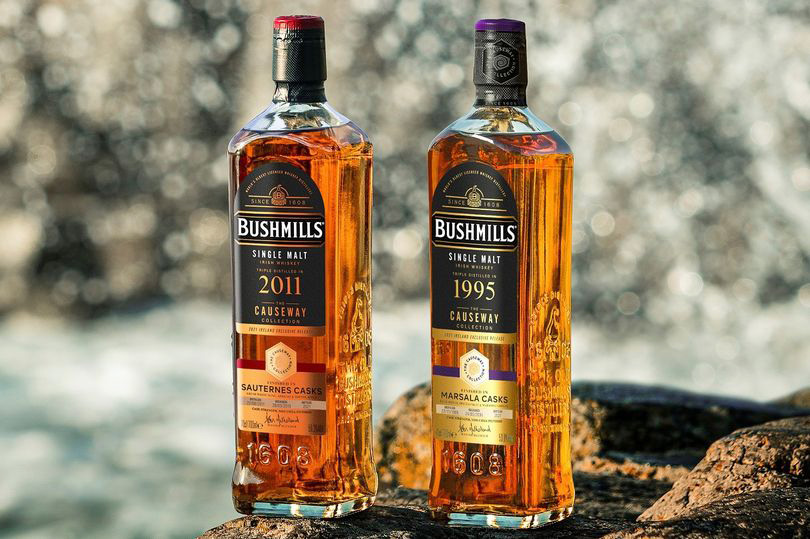
The Causeway Collection is an annual series of whiskeys from the Irish single malt distillery of Bushmills. This years selection, which is named after the Giant's Causeway that is located close to the distillery, features 12 whiskeys. The youngest is bottled at nine years of age (the 2011 Sauternes Cask Finish pictured, above left) and the oldest at 32 years old (the Port Cask, one of the oldest ever releases from Bushmills). 

Monday, November 1, 2021

Review / Glenallachie Wood Finishes (2021 Releases)


These three new limited editions from the boutique Speyside distillery of Glenallachie will go into their Wood Finishes Series. The latest additions feature whiskies finished in ex-Pedro Ximenez sherry, ex-Ruby Port and ex-Madeira wine casks. All have been created in small batches and are bottled at 48% ABV. They are also all non chill-filtered and of natural colour. Exact numbers of each bottling have not been revealed.

Monday, September 20, 2010

New releases ... Glendronach 14 years old Virgin Oak & Sauternes cask finishes

the new glendronach cask finish rangeThe Glendronach distillery (pronounced glen-dron-ack) is located close to the town of Huntly, at the far south eastern tip of the Speyside whisky region in Scotland. The distillery was founded in 1826 by James Allardes and later went on to become an important part of the William Teacher & Sons empire. By the 1960s, most of the whisky produced at Glendronach was being used within the popular Teacher's blended range of whiskies. The distillery is relatively small with an annual capacity of 1.4 million litres and was the last distillery to use coal fires to heat its stills. The use of this traditional heating method died out when Glendronach's stills were converted to steam heating in 2005.

New independent owners
In 2008, Glendronach was given a new lease of life, following a period of closure by previous owners Pernod Ricard. The distillery was taken over an independent company called The Benriach Distillery Company Ltd, who are the innovative owners of another Speyside distillery at Benriach. They immediately made a decision to expand the range of Glendronach whisky that previously contained just a 12 years old and a limited edition 33 years old. They found sufficient maturing stock to add a 15 and an 18 years old to the range and these were released in mid 2009. Within the two years since the takeover, awareness of Glendronach as a single malt whisky has grown massively and sales have reflected this by growing tenfold.

Expanding the range
The plan of The Benriach Distillery Company Ltd is to continue increasing the popularity and availability of Glendronach and capitalise on the world's current trend for quality single malts. The first stage of this has arrived in the form of four cask finishes - two 14 year olds (one Sauternes finish and one Virgin Oak finish), a 15 years old Moscatel finish and a 20 years old Port finish. Each has been matured in ex-sherry casks for the majority of its life, before being transferred in very small batches to the different named casks. The exception is the Virgin Oak which has been in charred ex-bourbon casks for most of the time, before moving across to a small batch of fresh, new American oak casks.

Details of the whiskies
Each whisky is bottled at 46% ABV and are available now from specialist retailers. The two 14 year olds should cost £40-45 each with 4584 bottles of the Sauternes finish (a sweet French dessert wine) and 5760 bottles of the Virgin Oak available. The 15 years old Moscatel finish (another sweet French dessert wine) has 3240 bottles available and should cost around £45-50, with the 20 years old Port finish (a fortified wine from Portugal) having only 2052 bottles released at around £65-70 each. We have been lucky enough to sample two of this new range today, so here goes ...

glendronach 14 years old virgin oak finishGlendronach 14 years old Virgin Oak
The colour is yellow gold and the nose is packed with intense characteristics. There is plenty of vanilla and oak present and these are backed up by notes of nuts (think of coconut and almond especially - the combination of the almond and vanilla is a little reminiscent of marzipan), oatcake biscuits, butter and a hint of burnt sugar or caramel. On the palate, this whisky is full bodied with a nice texture and feels thick and syrupy in the mouth. It is initially sweet with a good richness and intensity and this is led by the vanilla and oak again, with further sweetness added by a note of golden syrup. With time, other notes begin to develop - a distinct tropical fruitiness (imagine dried mango and apricot, with plenty of coconut), some oat-like cereal grains and a whiff of charred woody smoke. The finish is shortish and starts with some sweet honey and vanilla notes before more bitter, with the burnt sugar and charred wood elements from before coming through. In the end, this whisky is quite dry, woody and spicy (think of cinnamon bark).

glendronach 14 years old sauternes cask finishGlendronach 14 years old Sauternes
The colour is a light gold and straw-like. The nose is very expressive and perfumed with honey, vanilla and sultana notes up front, followed by a floral character reminiscent of something like honeysuckle or orange blossom. Then things start to change and become even more interesting - a distinct whiff of custard powder and a lovely, but strange, combination of fruits appear, some of which we have never experienced in a whisky before - imagine gooseberry, rhubarb, grapefruit zest and dried apple. It makes you want to dive in and try. On the palate, this is sweet, creamy and rich with a viscous feeling in the mouth. There is plenty of sweet honey, vanilla, sultanas and custard powder with the note of grapefruit adding some balance with some zing and bitterness. The 'unusual' fruits of the nose are detectable, although less evident than on the nose. The same goes for the floral notes. The finish is again sweet, rich and long with some further citrus zestiness giving superb balance.

What's the verdict?
Both of these are very good whiskies. The Virgin Oak is a good example of a bourbon cask matured whisky and offers something different in a Glendronach range that is well regarded for its use of ex-sherry casks. The Sauternes finish is an unusual but highly enjoyable whisky. We say 'unusual' because of those fruity characters that we have not previous experienced in a whisky, such as gooseberry and rhubarb. It may be too sweet for some but we think that its refined nature and almost perfect balance make it a winner. A cracking dram.

Sunday, March 28, 2010

Have just tried ... Glenmorangie LaSanta, Nectar D'Or & Quinta Ruban

Scotland’s favourite single malt
The name of Glenmorangie is one of the most famous in the world of whisky. The distillery is located in the Highland town of Tain and is approximately 40 miles (65km) north of Inverness. Their single malts whiskies are multi award winning and are consistently in the top three for world sales. Glenmorangie Original is also the best selling single malt in Scotland.

The distillery was founded in 1843 by William Matheson. It is one of Scotland’s largest whisky distilleries with an increased annual production capacity of six million litres, following the addition of two new stills recently. The stills at Glenmorangie are the tallest in Scotland at 5 metres (16.5 feet) high and make the still house resembles a cathedral. They are all exact replicas of the original stills that were purchased from a gin distillery in London in 1843.

We have more information and history about Glenmorangie in its distillery profile page on our website, whiskyforeveryone.com.

Glenmorangie's Extra Matured range
Approximately two years ago, the current owners of Glenmorangie (drinks giant Moet Hennessey) decided to revamp their range. Out went the limited edition cask finish range to be replaced by the Extra Matured range. These would become a permanent feature in the core range and contain three whiskies - the LaSanta, Nectar D'Or and Quinta Ruban. All three are initially matured in American oak ex-bourbon casks before being transferred to other types of cask in order to give each one a differing flavour profile. The LaSanta is transferred to Oloroso sherry casks and the name means 'warmth and passion' in Gaelic. In the case of the Nectar D'Or, the whisky is part matured in Sauternes dessert wine casks from France (Nectar D'Or translates as 'golden liquid' from French - a local affectionate name that Sauternes wines are often given). The Quinta Ruban is matured in Port casks and the name is taken from the Portuguese word quintas, which are the vineyards where grapes for Port production are grown.

glenmorangie lasantaOur LaSanta tasting notes
The colour of LaSanta is golden amber and the nose is very promising. There is plenty of honey and caramel initially and these are followed up by a lovely combination of aromas - woody oak (reminiscent of old dusty furniture), dried fruits (think of sultanas and dried orange peel especially), sweet toffee and spicy cloves. On the palate, this feels full bodied, viscous and velvety. The honey and caramel are again initially prominent, before combining well with other rich elements such as dried fruits (imagine brandy soaked raisins and orange peel), warm woody spices (such as cinnamon and nutmeg), nuts (think of hazelnuts and almonds and oak. The whisky seems less sweet than the nose suggests. The finish is long, sweet and fruity (combine the caramel, dried fruit and spice elements from before) with a distinct woody, almost earthy note appearing at the end.

glenmorangie nectar d'orOur Nectar D'Or tasting notes
The colour of Nectar D'Or is bright gold and the nose feels indulgent and sumptuous. It is packed with sweet honey, vanilla and cereal grains. There is also a lovely combination of floral honeysuckle, dried grasses, woody coconut and these are complimented by a slight bitter citrus edge (think of grapefruit). The palate is soft, smooth and silky with a medium body. It feels rich and sweet and has a well balanced mix of characteristics - honey, vanilla, coconut, cereal grains, new oak (think of fresh sawdust), dried grasses, plump sultanas and warm spice (imagine ginger). The finish is shorter than that of LaSanta but is sweet, delicate and fresh with a delightful subtle complexity and a touch of ginger and cinnamon to compliment the honey, citrus and vanilla.

glenmorangie quinta rubanOur Quinta Ruban tasting notes
Quinta Ruban has an amber colour with a distinct red tint. The nose is dominated by dark dried fruit (think of raisins) and spices (imagine a combination of cinnamon, nutmeg and cloves). This is sweet and rich with some orange zest, damp wood and hints of milk chocolate coming through also. The overall feeling is reminiscent of fruit cake. On the palate, this whisky has a medium body and is rich and mouth coating. It feels even sweeter and fruitier than the nose suggests and is packed with burnt sugar and dried fruit notes (those raisins again). In addition, there is an orangey zing and plenty of cinnamon spice, plus hints of stewed fruits (think of pears in red wine), butterscotch, and milk chocolate or cocoa. The finish is surprisingly short, considering richness of nose and palate but has an excellent combination of orange zest, wood spice and fruit.

What's the verdict?
Glenmorangie have done a very good job with the Extra Matured range. each whisky has its own character and could appeal to different drinkers. The LaSanta is very nice and definitely one for a late evening, after dinner or in colder weather - it is a warming and succulent dram that offers a comforting 'hug in a glass'. The Nectar D'Or is more sublime and luxurious that feels more summery and fresh - this is a whisky that you sip and savour, then sip and savour some more. The Quinta Ruban is equally as enjoyable but feels a bit like the complicated 'grown up' sibling of the three - the other two have simpler, more defined flavour profiles. Quinta Ruban grows on you with every sip, becoming very moreish and has deep complexity that holds your interest. They are all top quality whiskies but if we had to choose then Karen's favourite is Quinta Ruban and Matt's is Nectar D'Or.

Friday, August 28, 2009

Have just tried ... Balvenie 21 years old 'Portwood'

balvenie 21 years old portwoodBalvenie is located in the famous whisky town of Dufftown in the Speyside region of Scotland. It is one of the largest and most famous scotch whisky distilleries in Scotland with an annual production level of 5.5 million litres. Balvenie is still owned by the original founders, William Grant & Sons, and was built in 1892 to help their other overworked distillery at Glenfiddich. Balvenie is next door to Glenfiddich and is a unique distillery. They have their own floor maltings (a room used for the germination of the barley), a cooperage where they construct casks and they even grow some of the barley used in the distillery grounds.

Each year over 1.5 million bottles of Balvenie are sold across the world, putting it well inside the top 10 for total sales. All aspects of the Balvenie brand - its popularity and core range - continues to grow. The core range currently includes two 12 year olds (one called Doublewood and the other called Signature), a 15 years old from a single barrel, this 21 years old which has been part matured in a Port wine cask and a 30 years old. Other limited editions appear regularly and they also have some bottlings exclusive for the duty free travel market.

The colour of this Balvenie 21 years old Portwood is golden amber with a noticeable reddish tinge. The nose is highly aromatic with a powerful mixture of characteristics - ripe dark fruit, nuts (think of almonds), caramel, dried zest (especially orange), warm spice (imagine cinnamon and ginger) and something woody and waxy (think of sandalwood and wax furniture polish). On the palate, this is equally as complex. It feels silky and buttery in the mouth with sweet vanilla, toffee, honey and cereal grains combining with darker elements such as brown sugar (think of moscavado or molasses), woody spice (imagine cinnamon and nutmeg), dark and slightly bitter dried red fruit (raisins especially). The problem is that it is almost too complicated and it is only with a dash of water that the intensity eases up. Then it becomes much easier to drink with more fruit (think of red grapes and sultanas) and more vanilla and yeasty creaminess appearing. The finish is long, rich and creamy with honey, molasses, dried fruits and nuts (a slightly more bitter nut this time, like a walnut) prominent. It begins sweet (almost sugary) before turning and becoming pleasantly dry and a touch bitter.

Balvenie 21 years old Portwood is an extremely enjoyable and well balanced whisky, especially when water is added. It is very complex and hard to get in to at times, but it is worth working through these this. This is an excellent example of a good cask finished whisky as the Port cask used in maturation has added numerous positive elements to the whisky. Portwood can be found in specialist whisky retailers at 40% ABV and at 47.5% ABV in duty free travel retailers. A bottle should cost £75-85.

Monday, June 1, 2009

In the whisky cupboard ... Arran Sassacaia

arran wine finishThe Arran distillery is one of the newest single malt whisky distilleries in Scotland. It was founded by an independent group called the Isle of Arran Distillers Limited in 1993 and production began in 1995. The distillery is located on the isle of Arran, near to the village of Lochranza, and became the first legal distillery on the island since the 1840s. The island lies between the Campbeltown peninsula and the west Highland coast. The Isle of Arran Distillers Limited decided to employ traditional whisky production methods rather than modern day mechanised alternatives and Arran is one of Scotland's smallest distilleries as a result, producing just 750,000 litres per year. to experiment with their spirit by maturing some of it in different wine casks from around Europe.

Arran is a very innovative distillery but their core range reflects the small production capacity and the length of its young history. This consists of a 10 years old, a 12 years old, a cask strength version (called 100 proof) and an un-chillfiltered version. In addition to this, they have started experimenting with maturation in different European wine casks and these are released periodically as limited editions. This bottling has been matured for eight years in a bourbon cask, then for a further eight months in a Sassacaia wine barrique casks. Sassacaia is a full bodied and expensive Italian red wine from Tuscany that is made from high quality Cabernet Franc and Cabernet Sauvignon grapes.

This whisky has a gorgeous amber colour that has a distinct crimson red tinge to it. The nose has a lovely sweetness that is full of caramel and forest fruits (think of blackcurrant, blackberry and red cherry). On the palate, this sweetness hits immediately and is almost sugary in the mouth but this quickly goes and is replaced by a lot of tannin, making your gums go dry. There are lots of rich fruit characters but these are different from most that are normally associated with whisky and this must be due to the wine cask used at the end of maturation. The flavours are very concentrated with lots of plums, cherries, currants and berries (reminding me of jam or preseved fruit rather than fresh fruit). There is also some vanilla, caramel, an earthy, slightly musty note and a hint of spiciness (imagine nutmeg or cinnamon). The finish is long and fruity but with an over riding tannic dryness that gives it an unpleasant and disappointing bitter woody feeling.

This whisky is bottled at 55% ABV, so some water was added and this took the edge off the tannins and dryness, with the fruit becoming a bit more juicy and the whole whisky becoming slightly more balanced and rounded. With only 5,750 bottles released of this Sassacaia wine finish, it will only be available at specialist whisky retailers for a short period. A bottle should cost around £40, which is not too bad for a limited release and especially good if you consider that a bottle of Sassacaia wine rarely goes for under £80 and the casks are very expensive.

Sunday, April 19, 2009

Have just tried ... the new Glenkeir Treasures range

glenkier treasuresThe Glenkeir Treasures are a range of whiskies that are exclusive to and independently bottled by The Whisky Shop, the UK's biggest whisky retail chain. The Whisky Shop has 13 stores located in England and Scotland and this new range is available in each shop or from the website http://www.whiskyshop.com/. The whiskies have been specially selected and purchased as single casks from a variety of distilleries and cover a spectrum of different flavours. Each whisky is bottled at cask strength, which combined with the low number of bottles available from the single cask, make them limited and very desirable.

Mortlach 16 years old
This whisky comes from the cult Speyside distillery that is reknowned for its use of sherry casks during maturation. Distillery bottlings of Mortlach are hard to find as it is held in high regard by blenders, and much of the whisky is taken for blending contracts. It is popular with the independent bottling companies and through these is the best way to obtain it. This whisky is a dark golden brown and exhibits the classic sherry cask notes on the nose - lots of dried fruit (think of sultanas, raisins and candied peel, especially orange) and lots of woodiness (imagine some sort of waxy polish). On the palate, these are both present in abundance and are joined by a complex mix of something bitter (think of dark chocolate and espresso coffee) and some burnt sugar (imagine dark caramel). With water, the orange note comes to the fore. The finish is long and fruity, turning slightly woody and bitter right at the end. This is very nice and a good example of a whisky with a strong sherry cask influence.
Info - 58.5% ABV, 180 bottles only, £65.99

Rosebank 18 years old
Rosebank distillery has been closed since 1993 and the whisky is well reknowned, although stocks are running out. This is pushing up the price of Rosebank and the distillery release is still sporadically available. A good way to try this Lowland whisky is through an independent bottling as a number of these companies still have stock maturing for later release. This Glenkeir release is a pale lemon colour and has a light delicate nose. Despite its lightness, there are a number of characteristics coming through - something citrus (think of lemon zest), something herbal (imagine fresh cut grass), vanilla and honey. It is also delicate on the palate with all four characteristics present with the vanilla and zingy citrus particularly prominent. With water, it becomes even more zingy and the honey element becomes stronger. The finish is short but is a good example of a light, delicate and refreshing whisky.
Info - 55.4% ABV, 180 bottles, £74.99

St. Magdalene 26 years old
St. Magdalene is a Lowland distillery that has been closed since 1983. As a result, whisky from there is very hard to find and is highly sought after by drinkers and collectors alike. It can only be purchased through independent bottling companies and even their stocks are running low, as nothing has been produced there for over 25 years. The distillery is now a block of flats. This bottling is golden brown in colour and the nose is full of vanilla, nuts (think of coconuts and almonds) and some citrus (imagine lemon zest). The palate is creamy but fairly light, with lots of vanilla again. This is joined by a lovely malted barley sweetness, something else sweet (think of butterscotch), more citrus notes (especially the lemon again) and something slightly herbal and bitter (imagine dried grasses). With water, the sugary butterscotch and the grassiness come out further. The finish is quite rich and long. A very enjoyable dram that is complex and rounded.
Info - 59.1% ABV, 144 bottles, £119.99

A Very Special Speyside 40 years old
This whisky is from the Speyside distillery of Glenfarclas. The distillery is well regarded for its use of sherry casks during maturation and the distillery range of bottlings is extremely popular. The owners, J & G Grant release very little whisky to independent bottling companies and when this does happen, they do not allow the name of Glenfarclas to be used. Therefore, the independent bottlers have to use some creativity to name the whisky and this one is named as 'A Very Special Speyside'. This whisky is rich, dark and golden in colour. The nose has become very complex with age - it is full of dried fruits (think of raisins and sultanas), candied peel (imagine lemon and especially oranges), some warm spices (like nutmeg and cinammon) and some sweet sugary caramel. The palate is rich and fruity with a great, rounded balance. Everything from the nose is present and you almost taste a different note with each sip. The candied orange is particularly intense. With water, this softens even more with the caramel coming through more. The finish is long with an interesting battle between the spiciness and a slight bitter woodiness. An excellent bargain for a whisky of this age.
Info - 56.7% ABV, 144 bottles, £139.99

Saturday, January 10, 2009

Have just tried ... Bruichladdich 16 years old 'Bourbon Cask'

bruichladdich 16 years old 'bourbon cask'Bruichladdich (pronounced brook-laddie) is based on the island of Islay, which lies off the west coast of Scotland. Islay is the traditional home of the world's smoky whiskies but Bruichladdich's distillery style is in contrast to this , being quite light and fresh. It is one of Scotland's most innovative distilleries and one of very few that are independently owned in scotland. Since being taken over by a group of entrepreneurs in 2000, Bruichladdich has been very experimental with it's whisky production and release programme. They are known for maturing their whisky in non traditional wine and dessert wine casks. A number of whisky purists do not agree with this approach, but by experimenting Bruichladdich's aim is to try and introduce new people to whisky and this can only be a good thing. The purists believe that whisky should be matured in the traditional casks of bourbon, sherry and refill whisky. Bruichladdich's innovative range is extensive and they are always updating it with new releases.

Here they have gone back to basics and this 16 years old has been matured in bourbon casks. Some of these are made from fresh oak and the influence of this is evident in the nose - it is full of vanilla. On the palate, this is rich, creamy and feels full bodied in the mouth. The overpowering characteristic is vanilla but other fresh fruit (imagine crisp green pears and apples) and some warming spices (like nutmeg and cinnamon) come battling through. There is a slight woody bitterness present throughout. The finish is long and rich with the vanilla and spices prominent again. This whisky was enjoyable but was on the edge of having too much wood cask influence, for my own personal taste. It would be a good choice if you like big, creamy and full bodied whiskies. Chris, my work colleague, described it as 'like licking a piece of oak'. A bottle should cost between £40-45 and is a limited release, restricted to independent retailers only.

Tuesday, August 26, 2008

Have just tried ... Cragganmore 1993 'Distiller's Edition'

cragganmore distiller's editionThe Cragganmore distillery is situated in the heart of the Speyside region, near to the village of Ballindalloch. It has a capacity of just over 1.5 million litres per year and was opened in 1869. Cragganmore is currently owned by multi national drinks company, Diageo and much of the whisky produced there is used in a number of Diageo's different blends. The Cragganmore single malts have a good reputation and there are two main distillery releases - the 12 years old, which is one of Diageo's six 'Classic Malts' representing Speyside in that collection and this 'Distiller's Edition'. Other bottlings are occasionally released and independent bottlings are fairly common. This 'Distiller's Edition' is bottled at 14 years old and is the regular 12 years old that has then been transferred into a Port wine cask and matured for a further two years.

The colour is dark and golden, like caramel and the nose is really good. It is rich with lots of fruit present (it reminded me of stewed fruits like figs, apples and prunes) plus dried fruit (imagine raisins and sultanas) and a hint of burnt sugar coming through. It also became more woody and herbal (grassy almost) with time. The taste was slightly disappointing following the promise of the nose, which was sweeter. Again, there are the dried and stewed fruits, the burnt sugar/ caramel and these are joined by alot of vanilla and fresher red fruit and grapes that must be coming from the influence of the port cask. Considering that this whisky is quite creamy and rich, the finish is quite short. The flavours are intense but disappear quite quickly and right at the end, it leaves you mouth feeling dry and something bitter comes through (similar to the woody, herbal element from the nose). This is a decent whisky and it is interesting to try different cask finishes and see how they influence the final product. It would be very good as an after dinner drink or as a replacement for dessert. This is a limited release and is available in specialist retailers only for between £35-40.

Sunday, August 24, 2008

In the whisky cupboard ... Benriach 16 years old Sauternes finish

benriach 16 years old 'sauternes'Benriach is an independently owned distillery in Speyside. Located between the towns of Elgin and Rothes, this distillery was originally opened in 1897 but mothballed (this is when production is stopped but everything at the distillery remains intact) in 2002. Production restarted in 2004, following a change of ownership. The new independent consortium decided to return to traditional regional distilling methods whilst also being an innovator and trying to attract new consumers. They decided to use peat in their kilns, a practice that had died out in the Speyside region almost 100 years earlier and had whisky traditionalists frowning. As a result, they were one of the first Speyside distilleries to release some peated, smoky whiskies for a very long time. A few others are now following Benriach's lead. It is interesting that by returning to tradition, that they are seen as innovators! As mentioned, the new owners decided to attract new customers to their whisky by also experimenting with different cask finishes. These are released as limited editions and include whiskies that have been finished in sherry, port, rum and Madiera wine casks. Benriach also release a core range of 'classic Speyside style' whiskies with different age statements and independent bottlings are readily available. This particular bottling is a limited edition 16 years old that has been finished in Chateau d'Yquem Sauternes wine casks. It costs just under £40 per bottle from specialist retailers and only 1650 bottles are available. We had to snap one up!

The colour is golden and the nose is great and very promising. It is full of sweetness with a mixture of vanilla, honey, toffee, something floral (think of honeysuckle) and dried fruits (imagine sultanas). This is balanced with something light and fresh, that reminded me of fresh white grapes or a crisp white wine. On the palate, this is gorgeous and buttery with all the notes from the nose present. It is the lightness of the spirit in the mouth that is surprising, as the expectation would be that it would be richer or sweeter, as Sauternes is a very sweet, thick dessert wine. The finish is long but again light with the vanilla, honey and white wine notes prominent. Benriach have released a really good whisky here and it would be an excellent whisky to give to someone who maybe thinks that they don't like whisky. The combination of the age and the finishing in the Sauternes cask gives a great balance that is not too sweet or rich, which can tend to put people off a Sauternes finished whisky.

Tuesday, May 6, 2008

Have just tried ... Bruichladdich 'Rocks'

Bruichladdich (pronounced brook-laddie) is one of Scotland's most innovative distilleries. Based on the island of Islay, it is one of very few independently owned Scottish distilleries and since being taken over by a millionaire entrepreneur in 2000 has been very experimental with it's whisky production and release programme. Bruichladdich's distillery style is quite light and fresh with no smoky flavours or aromas, which contrasts to the majority of other whisky produced on Islay. However, they do also release smoky whiskies under the Port Charlotte name and they are currently in the process of renovating the old Port Charlotte distillery on Islay, which closed during the late 1920s. They also have experimented by distilling their spirit three or four times and are well known for putting whisky into non traditional wine and dessert wine casks. The results are mixed but I like Bruichladdich's experimentation as they are trying to introduce new people to whisky, which can only be a good thing. However, many whisky purists do not like this approach, believing that whisky should be matured in the traditional casks of bourbon, sherry and refill whisky. Bruichladdich's range is extensive and they are always updating it with new releases. This one is from a couple of years ago and has been matured in one of those un-traditional wine casks (a full bodied red wine called Banyuls from the south of France).

The first thing that I notice is the colour. It is very different for a whisky, having a pink tint reminiscent of rose wine. For this reason it was marketed to attract women to try and drink whisky. The nose has quite a lot of wine influence in it, with fresh red berries and grapes prominent. There is also a sweet tinge to the nose. On the palate, this whisky is very smooth and easy to drink with those rich red berries and grapes combating some tannic dryness that has come from the wooden wine casks. The finish is slightly short and starts off being smooth yet switches to be quite bitter (the tannins again, I guess) and some raw spirit coming through (indicating the whisky is young). Overall, this was quite pleasant easy drinking whisky, although the wine cask did give it a weird edge. It is unlike any other whisky I have tasted to date. If you can still find a bottle anywhere, then it is worth buying as it should only be around £20-25.

Wednesday, April 9, 2008

In the whisky cupboard ... Old Pulteney 1994 Sauternes wood finish 'Private Collection' from Gordon & Macphail

gordon and macphail - old pulteney - sauternes wood finishOld Pulteney is a distillery located in the far north east of the Highlands, near Wick. This whisky is in our collection thanks to a 'Wow' moment that we recently experienced at the Whisky Live show in London. We just had to buy a bottle after that. This particular version is released by Gordon & Macphail, who are an independent bottling firm based at Elgin in Speyside. Like all bottling firms, they release different ages or different cask finishes of whisky and this is an excellent example. It has been released as a 12 year old and has been finished in a Sauternes wine cask. Sauternes is a sweet dessert wine from just south of Bordeaux in France. This whisky is limited to only 2050 bottles and this offers a good opportunity to economically try a rarer whisky, as it is priced at just under £40.

The dark yellow colour is amazing as is the nose which is rich, sweet and intense, filled with the smell of dried fruit (raisins, apricots and pears). When you taste, it feels buttery, creamy and thick in your mouth with all the previously mentioned dried fruit, orange peel and some salty flavours hitting you palate. Saltiness is a common characteristic of Old Pulteney and whisky like this is sometimes referred to as having a 'maritime' feel. This occurs when the distillery is located close to the sea and the casks absorb some of the sea air during maturation. The finish is long, rich and fruity. The marriage of all of this gives an intense experience, which some may find too sweet, rich or overpowering. However, these are the exact reasons that we like it, as the influence of the sweet dessert wine cask gives a whisky unlike anything else that we have tasted to date.