Showing posts with label vatted whisky. Show all posts

Monday, February 6, 2012

Have just tried - The Last Vatted Malt

This whisky was released in November last year and was bottled to mark the change in law by the UK Government.  The Last Vatted Malt is produced by boutique whisky producer Compass Box and the clue as to the law change is in the name.  As the clock struck midnight on 22/23 November, it became illegal to use the name 'vatted malt' on any product.  A vatted malt is a whisky that is made using two or more single malts, and from that point onwards they would have to be referred to as 'blended malts'.

Compass Box was founded in 2000 by John Glaser and is based in west London. They also now have offices in Edinburgh. Their ethos is to buy whisky from a small number of distilleries and then craft them together into their own unique products. All are produced and released in small batches, often using only two or three whiskies to create a unique product with a catchy name. By doing their own blending and vatting, Compass Box have less restrictions than traditional independent bottlers and is a former winner of the prestigious Whisky Magazine's Innovator of the Year.

Compass Box believe that the law and name change will create confusion with consumers and whisky drinkers, as they may mix up 'blended malts' with blended whiskies - these contain whiskies made from other grains in addition to the single malts.  Therefore, the Last Vatted Malt was born and the last ever bottle was filled on Westminster Bridge, next to the Houses of Parliament, in London as Big Ben approached midnight.  We were delighted to be invited to that and to read fully about the law and name changes, plus that event on Westminster Bridge - click here.

The Last Vatted Malt is made up of just two un-named single malts - a 36 year old distilled in 1974 and from Speyside which has been matured in first-fill ex-sherry casks (strongly rumoured to be from Aberlour), and a 26 year old distilled in 1984 from Islay which have been matured in ex-bourbon American oak casks (strongly rumoured to be from Caol Ila). It is being released at the natural cask strength of 53.7% ABV and there are just 1,323 bottles, retailing at £175 each.

Our tasting notes
The colour is a dark amber brown and the nose is rich, expressive and sumptuous.  An initial note of burnt brown sugar quickly gives way to some sweeter aromas, namely malty cereal grains and soft, earthy peat.  This peaty aroma evolves with time in the glass - at times is feels mossy and at others it is reminiscent of creamy coal tar soap.  There are other elements adding further depth - spiced orange (think of marmalade), caramel, toasted almonds, vanilla and marzipan.  This nose is very positive and the combination of aromas is stunning and deserving of your prolonged attention.

On the palate, things kick off with the soft, sweet peat smoke again.  This time it seems to evolve in to having a tobacco/cigar-like quality.  There are plenty of notes vying for attention - wood spices (think of cinnamon bark and oak) grip your taste buds and add pleasing dryness, bittersweet cereals give further intensity and dark dried fruits bring good sweetness (imagine raisins, figs, prunes and dates).  More subtle notes of vanilla, coconut, spiced/cloved orange peel, dark chocolate and bitter espresso contribute to a wonderful compexity and combine well with the ever present and prominent smoke.

The finish is very long and rich with plenty of drying smokiness present.  This becomes increasingly tobacco-like and is reminiscent of the feeling when you have finished smoking a cigar.  Further woody spice combines with this and some robust cereals and a lovely fudge brownie chocolate note to create a finish that lingers for ages.  Delicious.

What's the verdict?
Compass Box rarely do things by halves and this is no exception.  The careful selection of the two casks and subsequent combining of them shows their skills.  The smoky whisky could easily overpower the sherry casked one, but it doesn't - the marriage seems perfect.  It is easy to see why they have won a hatful of awards. This whisky is a fitting tribute to all of the vatted malts that went before it in over 150 years of the old naming process.  It can only be hoped that all forthcoming blended malts can be this good or better. Very few whiskies would make us part with £175, but this could well be one of them.

Monday, October 4, 2010

Have just tried ... Pig's Nose & Sheep Dip

pig's nose, sheep dip and sheep dip 1990 'old hebridean'The Pig's Nose and Sheep Dip whiskies are made by a small independent whisky producer called the Spencerfield Spirit Company. The Managing Director and founder is Alex Nicol, who formerly held prominent positions at large beverage companies such as Scottish & Newcastle and Whyte & Mackay, as well as at Glenmorangie and Laphroaig distilleries. The company is based on Spencerfield Farm, close to the Scottish town of Inverkeithing in Fife. It is still a working farm and lies within a rich, fertile belt of land that is well renowned for growing high quality barley. The farm was originally built in 1559.

The range of whiskies have been developed in conjunction with Richard Paterson, the revered master blender for Whyte & Mackay. Each whisky is aimed at a different flavour profile with Pig's Nose being sweet, Sheep Dip being softer and creamier and the Old Hebridean being smoky. We were lucky enough to try the full range side by side at a recent weekend food fair held on the South Bank in London, next to the Royal Festival Hall, Hayward Gallery and River Thames.

pig's nose 5 years oldPig's Nose 5 years old
This is a blended whisky that contains a mix of Lowland, Speyside and Islay single malts and specially selected grain whiskies. The youngest whisky included is five years of age (the age on a blended whisky is that of the youngest whisky). The name is said to come from the fact that when Richard Paterson presented this whisky someone commented that it was "as soft and smooth as a pig's nose"! It is bottled at 40% ABV and a bottle should cost around £20 from specialist whisky retailers.

The colour of Pig's Nose is golden amber and the nose is bold but youthful. There is plenty of caramel and green fruit up front (think of apples and pears, especially peardrops) and these are followed by some distinct cereal grains and dried fruit (imagine sultanas). In the background there is a hint of a slightly acidic aroma that is reminiscent of vinegar. This whisky mirrors the character of the nose when tasted on the palate, although it is a little more viscous and rich than the nose suggested. There is again the combination of caramel, green fruits, cereals and dried fruits (add in a touch of candied orange peel), with the obvious sweetness tempered by a slight spiciness (think of black pepper) and that acidic vinegar note. The finish is of decent length, although the youthfulness of the spirit comes through and it becomes quite sharp and dry right at the end.

sheep dipSheep Dip
This is a vatted whisky. This means that it only contains single malts and these have been married (or mixed) together. Sheep Dip contains 16 different single malt whiskies from the Lowland, Highland, Speyside and Islay whisky regions of Scotland, and they are of different ages (mostly between 8 and 21 years of age). The name is taken from the time when local farmers used to hide their homemade whisky spirit from the Customs & Excise offices, by storing it in casks marked 'sheep dip'. Sheep Dip is bottled at 40% ABV and should cost £25-30.

The colour of Sheep Dip is dark gold and the nose soft and fragrant. There is an immediate hit of vanilla and dried fruit (imagine sultanas and apple), before distinct gristy cereal grains and dried grass (think of hay) come through. Add to this some wood spices (cinnamon and cedar wood especially) and hints of orange marmalade and coal smoke, and you get a very promising combination. On the palate, this feels creamy and velvety and is initially quite sugary and fruity (think of brown sugar, butterscotch, honey and sultanas). These are joined by the vanilla, grains and wood spices from the nose, with the cereals particularly prominent. Then comes a whiff of sulphur-like coal smoke again. The finish is long and full of vanilla and honey sweetness which is balanced by heavier wood spices and smoke, both of which give it a pleasant drier edge.

sheep dip 1990 'old hebridean'Sheep Dip 1990 'Old Hebridean'
This is the newest edition to the range and is marketed as the older sibling to the regular version of Sheep Dip. The whisky is a vatting of Ardbeg, Dalmore and Fettercairn single malts that have been matured seperately for the first 10 years and then married together and matured for a further 10 years. Therefore, the price of £45-50 offers great value for money. It is bottled at 40% ABV and is available from specialist whisky retailers. The name is taken from a rare breed of Scottish sheep called Old Hebridean, that is depicted on the packaging.

The colour is golden yellow and the nose offers clues to the whiskies included - especially some caramel and zesty candied orange from the Dalmore and pungent smoke from the Ardbeg. There is also honey, vanilla and a hint of spices (think of cinnamon, nutmeg and clove). On the palate, this is bold and expressive but there is a softness and balance that demonstrates the age and sympathetic marrying of the whiskies. It feels rich and indulgent with plenty of honey, vanilla, distinct cereal grains and slightly bitter bonfire-like smoke. These are backed up by wood spices (imagine cinnamon and nutmeg again), candied orange peel, dried fruits (think of raisins and sultanas), toffee, a drop of iodine and a tangy saltiness (imagine brine). The finish is long with the bonfire smoke becoming more peaty. It starts sweetly, with honey and toffee prominent, before becoming pleasantly more bitter and dry with the spices and iodine coming through. Truly delicious!

What's the verdict?
The Spencerfield Spirits Company have produced a good range of whiskies here. There is something for everyone - the sweet Pig's Nose and the richer, softer Sheep Dip, both of which would be excellent with a mixer or in a cocktail. The Old Hebridean offers the smoky option and could be mixed but would be perfect taken neat and rivals and exceeds some single malts. All are good, offer great value for money and would be excellent examples to introduce a beginner to the world of whiskies. What's our favourite? .... that's a tricky one, but we will go for the Sheep Dip.

Wednesday, March 31, 2010

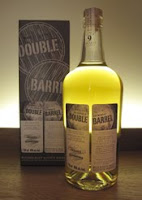
Have just tried ... Double Barrel (Ardbeg/Glenrothes) from Douglas Laing & Co

Two casks, one whisky
The Double Barrel are a recently released series of vatted malt whiskies from the Glasgow based independent bottler Douglas Laing & Co. A vatted malt is one that contains two or more single malt whiskies and nothing else. The principal behind the series is to mix two contrasting styles of whisky together, usually one in the smoky, peaty style and the other in the ex-sherry cask style. Douglas Laing & Co select only one cask of each and then vatted these together. As a result bottles are limited and should cost between £35-£45, depending on where you find it. We have previously reviewed another in the Double Barrel series that combines smoky Laphroaig and sherry casked Macallan - click here to read.

Distillery information
This version of Double Barrel consists of two nine years old single malts - Ardbeg and Glenrothes. Ardbeg is a distillery on the western Scottish island of Islay (pronounced eye-la) and they produce some of the peatiest, smokiest whiskies in the world. Islay is the home of the smoky style of whisky and Ardbeg was founded in 1815 by John MacDougall. The current owners are drinks company Moet Hennessey and the distillery has a capacity of approximately one million litres per year. Glenrothes is one of the largest Scotch whisky distilleries in the Speyside region of Scotland. It is located within the town of Rothes and has a capacity of 5.5 million litres per year. Despite its size, Glenrothes remains fairly unknown as the Edrington Group, the current owners, use a majority of the whisky produced in their flagship blends of Famous Grouse and Cutty Sark. Their single malts are usually matured in sherry casks.

Our tasting notes
The colour of this version of Double Barrel is light golden, almost lemony. The nose feels sweet and fresh with plenty of soft peat present (think of damp moss and earth). Once you get beyond this initial smokiness, there are other subtle aromas that come through - vanilla, cereal grains, yeast, butterscotch and some zingy citrus (imagine lemons especially). The palate is light and fresh with peaty smokiness again as the prominent feature. This feels more ashy than earthy though and is reminiscent of coal embers or smoke. The effect is to make the palate instantly drier and slightly more astringent than the sweeter nose suggested. Sweeter characters start to come through with time and these balance the dryness well - these include honey, vanilla, cereal grains and nuts (think of almonds). The finish is again quite dry and astringent, this time with a distinct grainy and herbal edge (imagine dried grasses, hay or straw). The overall feeling is of freshness and the dryness/astringency is surprisingly pleasant and leaves your mouth watering and wanting to try more.

What's the verdict?
This Ardbeg/Glenrothes Double Barrel is an interesting whisky and makes more of an impression than the previous Laphroaig/Macallan version that we have tried. The whisky does seem to suffer from a similar problem though, with the smokier Islay whisky suffocating the softer sweeter Speysider. However, this is a pleasant and easy drinking whisky that will satisfy the peaty whisky fans and the uninitiated alike, as it has balance and complexity combined with a decent but not frightening level of peat smoke. Well worth a try.

Sunday, November 29, 2009

Have just tried ... Spice Tree from Compass Box

spice tree from compass boxSpice Tree is a new release from Compass Box, a independent bottling company with a difference. A version of Spice Tree was originally released in 2005 but was discontinued shortly afterwards due a legal wrangle with the Scotch Whisky Association (SWA). This first Spice Tree gained good reviews from the trade and consumers but the problem lay in the maturation method. In Scotland, casks must have been previously used and nothing must be added to alter the flavour. Compass Box introduced new oak staves that they placed in to the casks and these created a greater surface area between the wood and the whisky, therefore increasing the flavours artificially. This method is similar to the one commonly used in the wine industry.

In this new version of Spice Tree, Compass Box have got around this 'technicality' by replacing just the ends of the casks with new oak that is heavily toasted and it is these new ends that create a similar flavour profile to the original oak staved Spice Tree. The whisky has been mostly matured in regular ex-bourbon casks before being transferred to the bespoke toasted end casks for the last two years. This new Spice Tree is 100% single malt from the Clynelish distillery in the north east Highlands, is bottled at 46% ABV and forms part of Compass Box's current core range. A bottle can be purchased from specialist whisky retailers and the Compass Box website for between £35-40.

Compass Box was founded in 2000 by John Glaser. The company has offices in West London and Edinburgh and buy whisky from a small number of distilleries and then craft them into their own unique whiskies. The range includes single grain whiskies, vatted malts, blended whiskies and occasional other releases, such as the recently re-released 'Orangerie', a whisky infused with orange. All are released in small batches, often using only two single malts to create a unique product with a catchy name. By doing their own blending and vatting, Compass Box have less restrictions than other traditional independent bottlers and is a former winner of The Whisky Magazine's 'Innovator of the Year'.

The colour of the new Spice Tree is golden amber and the nose is big, sweet and full of oaky vanilla and malted barley cereals. There is also a ginger-like spiciness and some soft woody spice notes that are reminiscent of cinnamon and nutmeg. It tempts you to want to taste it. On the palate, this feels full bodied, thick and creamy in your mouth. The whisky is packed with gorgeous vanilla and sweet malty grains. Beyond these are more delicate elements coming through - some honey, woody spices (think of cinnamon and nutmeg again), ginger, some lemon zest, just a hint of salt and a whiff of background smokiness. The finish is long, sweet and rich with a gorgeous nutty note joining the others (imagine toasted almonds and coconut, maybe?). The vanilla and maltiness fades slowly to give a lovely, sumptuous finish to the whisky.

This is a very good whisky that would be great as an after dinner sipping dram. We tried Spice Tree with some robust mature Cheddar and hard goats cheeses (as recommended in Compass Box's press release) and it went extremely well with both of them. Excellent stuff and very enjoyable.

Sunday, November 22, 2009

Have just tried ... Big Peat

Big Peat is a new vatted malt whisky created by the independent bottling company Douglas Laing & Co. They are based in Glasgow and the company was founded by Frederick Douglas Laing in 1948. It is currently run by Frederick’s two sons, Stewart and Fred Jnr, and Douglas Laing & Co are one of Scotland’s largest independent bottlers of whisky. They bottle whiskies from all over Scotland and their ranges include over 200 different single malts at any one time, with the majority being from single casks. In addition to the single malts, they also blend and vat their own ranges of whisky and these currently include this Big Peat and the Double Barrel series.

A vatted whisky is a mixture of single malt whiskies. They can be from different distilleries and be of differing ages. In the case of Big Peat, there are four distilleries from the western island of Islay included – Ardbeg, Bowmore, Caol Ila and Port Ellen. The first three are currently operating but Port Ellen closed in 1983 and whiskies from there are becoming rare and expensive (therefore, the whisky included here has to be at least 26 years old). To produce Big Peat, Douglas Laing & Co vatted these four whiskies together in small batches and then reduce the alcohol strength to 46% ABV for bottling. A bottle should cost £35-40 from specialist whisky retailers.

The colour of Big Peat is dark and golden and the nose blows your nostrils away. It is VERY smoky (no surprise really as the clue is in the name!) with a mix of tar, burning rubber and petrol. There is also a slight saltiness and an interesting herbal aniseed note, reminiscent of fennel. Little else gets the chance to battle through the powerful smokiness. On the palate, there is a similar story. It is full bodied and packed with overwhelming and explosive smoke. The smokiness again exhibits a tarry and burnt rubber note (think of screeching tyres) and there is a distinct hot spiciness (imagine black peppercorns and red chillis). The smokiness becomes more ashy (like the embers of a log fire) with time. Other elements struggle and almost give up trying to get through the smoke but some vanilla and cereal grains are detectable. The finish is potent and long with the tarry smoke burning away for ever, before turning more ashy later on. The finish is also very dry, leaving your mouth parched and wanting some water. The addition of water to the whisky dilutes the smokiness but only slightly. Some grainy cereal sweetness and grassy herbal notes come through easier.

Big Peat makes no apologies for what it is, after all the clue is in the name. It is very smoky and overpowering but if you like dramatic peaty whisky, this is definitely one to try. It is a brash and attention seeking whisky with the four big peaty whiskies fight for your attention, with no clear winner emerging. This is not one for the beginner (it would probably scare them off whisky forever) or the faint hearted but peaty whisky fans may well be in heaven. This dram offers an truly unforgettable experience, whether it suits your taste or not.

Tuesday, August 4, 2009

New releases ... Double Barrel (Laphroaig/Macallan) from Douglas Laing & Co

double barrel Double Barrel is a newly released vatted malt whisky from the independent bottler Douglas Laing & Co. A vatted malt is one that contains two or more single malt whiskies and nothing else. Double Barrel consists of two iconic single malts - Laphroaig and Macallan. Douglas Laing & Co have selected only one cask of each and then vatted these together for a period of time. As a result bottles are limited and one will cost between £35-£50, depending on where you find it.

Laphroaig (pronounced la-froyg) is one of the most famous distilleries in the world. Located on the western island of Islay, the distillery was founded in 1815 and produces the world's best selling smoky single malt whisky (the hugely popular 10 years old). Laphroaig is currently owned by Beam Global, who are one of the world's largest spirits companies, and the distillery has a capacity of around 2.5 million litres a year.

Macallan is another famous distillery and they also produce some of the biggest selling whiskies in the world. They consistently lie in third place for total world sales, behind only Glenfiddich and Glenlivet. The distillery is located in the heart of the Speyside region and is one of Scotland's largest, with a production capacity of 6 million litres a year. It has a lot of stills (21 to be precise!) but each one is small, fat and stands at less than 4 metres tall.

The colour of this Double Barrel is light gold and the nose is light, fresh and vibrant. There is a lot of pungent smoke (think of burning ash and bonfires), although there is also an astringent bitter element to this as well (think of hot tar and antiseptic). There is also some vanilla, malty cereal grains and a fruity sweetness (imagine dried fruits, apricots especially, and honey), although these struggle through the smoky elements and you have to work hard to get them. On the palate, the smokiness is the predominant feature (it is sweeter and more peaty and earthy this time, although the ashy/tarry notes are definately still present). There is some saltiness (think of sea water) and something bitter (imagine iodine and also damp wood). Other elements are present but again they are subtle and have to battle through the smokiness - vanilla, honey, something buttery and baked (reminded me of a biscuit or shortbread) and a hint of dried fruit. Add to this some raw spirit (this indicates that at least one of the two whiskies present is on the young side) and you have an interesting but ultimately unbalanced and zingy palate. The finish is sharp and spirity with a lot of alcohol burn - this is surprising as it is bottled at 46% ABV. It starts with some sweetness (that vanilla and honey again) before turning dry and a touch bitter at the end (that woodiness and iodine again).

This Double Barrel is a difficult whisky to get to grips with. The two iconic distilleries involved are not natural partners in many people's eyes and this can be seen in the final whisky. Laphroaig and Macallan are like chalk and cheese in the whisky world, having their own distinctive styles and fans. Here,the Laphroaig totally dominates and overpowers the more subtle Macallan, which struggles to show its own quality. This leaves me wondering who would buy this for £50? Fans of Laphroaig? Maybe. Fans of Macallan? No. Fans of both? Maybe. The Double Barrel is an definately an interesting whisky and an interesting experiment.

Thursday, July 2, 2009

Have just tried ... Clan Denny vatted malts

The Clan Denny range is released by the Glasgow based independent bottling company Douglas Laing & Co. The name is used for their ranges of single grain whiskies and a series of vatted malts. The origin of the Clan Denny name is a little hazy although Douglas Laing tell the story of a Taiwanese businessman who wanted a blended whisky to be made by them and named after himself. His name was Dennis and his suggestion was MacDennis, which Douglas Laing deemed to be too cheesy so changed it to Clan Dennis. Over time this has been adapted to Clan Denny.

The vatted malt part of the Clan Denny range includes these two whiskies - one in the Speyside style and one in the Islay style. A vatted malt is a whisky that consists of two or more single malt whiskies added together. The major difference between a vatted malt and a blended whisky is that vatted malts only contain single malt whiskies, whereas blends contain a mixture of single malts and grain whisky. Both bottlings retail at £30-35 for a 750ml bottle.

Clan Denny 'Speyside'
This vatted malt contains single malt whiskies from four Speyside distilleries - Dufftown, Glendullan, Linkwood and Mortlach. All four are common in other vatted malts and blends and Speyside is known for its soft, rounded and easy drinking whiskies. The colour is pale gold and the nose is fresh. The obvious note is strong oaky vanilla but behind this is something citrus (think of lemon zest), a hint of dried fruit (sultanas especially), yeast and fresh green fruit (imagine pears and apples). On the palate, this feels thin and spirity with those pears and apples present again (this is a classic sign that some pretty young whisky is included in the vatting process). The vanilla and oakiness again overpower everything, although the other elements from the nose are there but subdued, making it quite one dimensional. The ABV is 46% and with the addition of water it becomes sweeter (think of honey) and slightly more pleasant. The finish is dry (beyond dry if that is possible) and woody but thankfully short. Not my favourite ever dram, to be honest.

Clan Denny 'Islay'
The Islay vatted malt consists of single malts from five of the distilleries on the famous whisky producing island - Ardbeg, Bowmore, Bunnahabhain, Caol Ila and Laphroaig. Islay is well known for the production of heavy, smoky, peaty whiskies. The colour of this is darker and more amber (as can be seen on the photo above). The nose is also more appetising with an obvious yet pleasant hit of earthy, peaty smoke. This is backed up by a sweet cereal note (think of barley grains), some vanilla and a whiff of salty sea air. On the palate, this is packed with smokiness that starts off being damp, earthy and mossy and turns quite spicy and hot (think of chilli or peppercorns). It has a distinct salty tang that makes your mouth water and feels creamy and full bodied. There is again some vanilla and cereals and these are joined by a bitter phenolic (almost like antiseptic) note right at the end. With water, the smoke becomes more like coal smoke and the whole dram is much lighter. The finish is long, salty and very smoky, with the peatiness taking ages to fade to nothing. Definately the better out of the two whiskies.

Monday, June 15, 2009

Have just tried ... Monkey Shoulder

monkey shoulder bottlesMonkey Shoulder is a vatted whisky from William Grant & Sons. A vatted whisky is one that contains only single malts, compared to a blend which contains grain whisky as well. Monkey Shoulder contains whisky from each of Grant's three Speyside distilleries - Glenfiddich, Balvenie and Kininvie. The three monkeys on the bottle represent these three distilleries. Whilst Glenfiddich and Balvenie are both world famous, few have heard of or know much about Kininvie as they do not release any whisky under the distillery name. Kininvie was built in the early 1990s next door to Balvenie, with the function of producing whisky to be used in the popular Grant's blended whisky range. The idea being that this would then free up more Glenfiddich and Balvenie to be released as single malts, in order to meet demand. Kininvie is now the major contributing whisky to Monkey Shoulder.

The term 'Monkey Shoulder' refers to an affliction that used to strike down distillery workers in the past. Balvenie is one of the few remaining distilleries to have its own malting floor and here the barley is left for a number of days to germinate, turning the starch in the barley to sugar which in turn gets turned into alcohol in the mashing process. To ensure an even germination, the barley has to be turned regularly by hand and the repetition of doing this over many years led the distillery workers to develop a 'Monkey Shoulder' (a historical version of repetitive strain injury!).

The colour is golden amber and the nose is light with vanilla, honey, some crisp fresh fruit (think of pears) and a hint of spice (imagine nutmeg) all present. These elements are carried through to the palate, where they blend really well together. It feels creamy and buttery in your mouth with heaps of vanilla being joined by a lovely malted barley sweetness flavours. There is some oaky woodiness, some honey and a hint of citrus (orange especially) combining also. The finish is fairly long, smooth and creamy again with the vanilla and warm spice (nutmeg again) coming to the fore. This is an extremely enjoyable and easy drinking whisky and certainly one of the best blended or vatted whiskies that we have tried to date. It is a cross between the richer, sweeter Balvenie style and the lighter, fresher Glenfiddich.

Monkey Shoulder has been designed and is marketed at the younger whisky drinker and the bar trade, who are encouraged to drink it with a mixer or as part of a cocktail. A bottle should cost you between £20-25. The website is also very good (www.monkeyshoulder.com) and if you try the whisky and like it, then you can even join the Monkey Shoulder Appreciation Society there!

Wednesday, April 29, 2009

In the whisky cupboard ... Nikka 'Whisky From The Barrel'

nikka 'whisky from the barrel'Nikka are one of the biggest producers of single malt whisky in Japan. It is a company that forms part of the massive Asahi Brewery Company and they own two distilleries - Miyagikyo and Yoichi. Miyagikyo is located on the eastern coast of Japan's main island of Honshu to the north of Tokyo and Yoichi can be found on the western side of the northern island of Hokkaido. This 'Whisky From The Barrel' forms part of a series of vatted whiskies that are released by Nikka. Vatted whiskies are produced using single malts that are mixed together. These single malts may be of differing ages and from different distilleries. They are similar to blended whiskies in this respect, but blends include whisky made from other grains. Vatted whiskies only include single malt whisky produced from malted barley. In this case, Nikka have used different ages of single malt from both Miyagikyo and Yoichi and married them together over time. The 'Whisky From The Barrel' is a multi award winning whisky, including scooping the Best Japanese Blended/Vatted Whisky prize at The World Whisky Awards 2007.

This bottle was received recently as a present and has been exclusively labelled for La Maison du Whisky shop in Paris. It is bottled at cask strength (51.4% ABV) and the colour is a golden orange brown with a very pleasant nose. There is plenty of sherry cask influence here with lots of dried fruits (think of raisins and sultanas), candied peel (especially orange), some malted barley (imagine a rustic loaf of bread) and something reminiscent of dark chocolate or espresso coffee. These characteristics are replicated on the palate. It is rich and succulent with a lovely level of sweetness and a touch of spiciness (think of nutmeg or cinammon). This whisky is deceptive and certainly does not taste or feel like cask strength. That could be dangerous on future evenings! With a drop of water, a sugary sweetness appears (imagine caramel) and the candied orange peel springs to life even more. The finish is long, fruity and sumptuous.

'Whisky From The Barrel' is an excellent whisky and one of the best blended or vatted whiskies that I have tried to date. If you have tried the Hibiki 17 years old blend from other Japanese powerhouse whisky company, Suntory, then this is in the same vein (although considerably cheaper!). A great example of how the use of quality sherry casks can influence whisky during maturation. It is still relatively difficult to find but distribution is improving to Europe and the UK. A 500ml bottle should cost £20-25 from selected independent whisky retailers.

Friday, April 4, 2008

Have just tried ... Compass Box 'The Peat Monster'

compass box - the peat monsterThis is a vatted whisky consisting of different whiskies from different distilleries, that are aged between 10 and 15 years. The two main distilleries involved are Caol Ila from the island of Islay and Ardmore from the highlands. Caol Ila is generally regarded as one of the smokiest whiskies available, while Ardmore whisky is rich and sweet but with some smokiness (this is unusual for a Highland whisky). So from this description, you can probably guess what this is going to be like. The colour was very light, considering the ages of the spirits involved and the nose takes your breath away. It was very peaty, earthy and smoky (imagine a bonfire) with meaty notes (like the smell of an old leather jacket). However, there was a rich sweetness that battles through this that reminded me of vanilla mixed with honey. The taste was very intense. There was a crisp sweetness that hit the front of my tongue in the first instant and then the smokiness takes over. This smokiness is sweeter on tasting than on the nose, with less of the meaty quality. This whisky has a long, rich finish as the smoky, earthy flavour slowly fades away. I found this to be quite refreshing for a very smoky whisky and think that this may be down to the balance of the Caol Ila with the sweeter Ardmore. This shows the skill of the blender and as a result it is very interesting in character. This is one of the best examples of a blend or vatted whisky that I have tasted so far, however it is a bit more expensive than most other at around £30. Having said that, Compass Box whiskies are not as common as other brands of blended whisky.